Wild West Cowboy Embroidery Review
As a designer who spends more time staring at stitch density charts and fabric swatches than actually sleeping, I have developed a fairly cynical eye for new digital assets. The market is flooded with generic clip art that looks terrible when converted into thread. However, when I first pulled up the Cowboy on a Horseback on a Wild West design from this Illustrations and Graphics pack, it stopped me in my tracks. It didn’t just look like a picture; it looked like a finished product waiting to happen.
I am evaluating this file not as a casual hobbyist, but as a professional looking for viable assets for client work, handmade product lines, and commercial embroidery projects. If you are an Etsy seller, a small shop owner, or a creative entrepreneur looking to add a rugged, Americana touch to your inventory, read on. Here is my honest take on how this design performs in real-world stitching scenarios.
First Impressions: Mood and Visual Personality
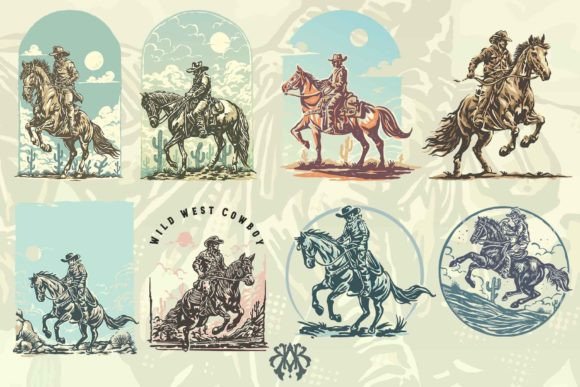
The immediate appeal of Cowboy on a Horseback on a Wild West lies in its bold silhouette. In machine embroidery, shape is everything. If the outline isn’t clear, the design falls apart. This illustration captures the dynamic tension of a horse in motion without getting bogged down in unnecessary clutter. The visual personality is rugged yet clean, which is exactly what modern buyers want. It feels authentic to the Wild West theme without crossing into cartoonish territory.
For designers, this means less frustration during digitizing or editing. The vector nature of the source files (AI, EPS, SVG) allows for easy scaling. I found myself immediately imagining this on a heavy-duty canvas tote bag or a structured baseball cap. The layout has a natural flow that guides the eye, making it highly effective for branding where recognition matters. It creates a mood of adventure and tradition, which translates well into emotional purchasing decisions for customers looking for personalized gifts or statement pieces.
Real-World Application: Where This Design Shines
I tested the concept of Cowboy on a Horseback on a Wild West across several potential use cases to see where it fits best. Here is where it truly excels:
- Custom Apparel and Sweatshirts: This design has enough presence to stand alone on the chest of a crewneck sweatshirt or the back of a denim jacket. It works beautifully as a central focal point. When paired with earthy tones like rust, olive, or navy, the cowboy motif pops without overwhelming the garment.
- Tote Bag Design: Canvas bags are a staple for craft fairs and boutique sales. The detailed line work of the horse and rider adds a premium feel to what is otherwise a basic accessory. It elevates a simple tote into a conversation starter.
- Embroidered Patch: Because the design is self-contained, it lends itself perfectly to creating a detachable patch. You can add a satin stitch border around the edge and attach it to backpacks, beanies, or aprons. This expands the utility of the asset significantly.
- Holiday and Seasonal Gifts: While not strictly Christmas-themed, Western motifs perform exceptionally well during summer festivals, rodeo events, and patriotic holidays. It is a versatile seasonal item that doesn’t expire after December 25th.
- Baby Embroidery and Nursery Decor: Surprisingly, this works well for gender-neutral nursery items. A subtle, smaller version on a muslin blanket or a baby onesie offers a unique alternative to the usual animals and clouds. It suggests strength and freedom, qualities many parents appreciate.
Technical Considerations and Stitching Clarity
Not every graphic translates well to thread. Some designs rely on gradients or tiny details that disappear when stitched. With Cowboy on a Horseback on a Wild West, the clarity is high. The main shapes are distinct, which reduces the risk of "muddy" stitching where colors blend unintentionally.
However, practicality dictates that you must manage expectations regarding stitch density. While the provided files are high-resolution vectors (4000x4000px), the actual embroidery output depends entirely on how the file is digitized or edited. If you are using this as a base for an applique design, ensure the underlay stitches are strong enough to hold the fabric layers flat. For fill stitch areas, check that the density isn’t too high, especially if you are working with delicate fabrics.
Thread color selection is critical here. I recommend using high-contrast combinations. A dark brown horse against a cream background, or a black rider against a heather grey shirt, will yield the sharpest results. Avoid low-contrast pairings like light tan on white, as the detail will be lost in the final product.
Where to Use Carefully
There are specific situations where this design might struggle. I advise caution when applying it to:
- Small Hoop Sizes: If you try to cram this entire composition into a 4x4 hoop, the details will become cramped and hard to distinguish. Ensure your hoop size accommodates the full width of the horse and rider.
- Textured or Stretchy Fabrics: Jersey knits or heavily textured wools can distort the fine lines of the artwork. Always use a proper stabilizer to prevent puckering.
- Curved Surfaces: While caps are great, the curvature can sometimes hide parts of the design depending on the angle. Test placement carefully on curved surfaces before committing to a batch production.
- Frequent Washing Items: For kitchen towels or dishcloths, ensure the design is robust enough to withstand repeated laundering without fraying edges. Satin stitch borders help seal these areas.
Impact on Brand and Customer Trust
In the world of handmade products and digital assets, presentation is half the battle. Using a clean, well-proportioned design like Cowboy on a Horseback on a Wild West signals professionalism. Customers can often tell the difference between a rushed, pixelated print and a crisp, intentional design.
When you list this as a custom apparel option or a digital download, the quality of the underlying asset reflects on your brand consistency. A sharp design builds buyer engagement because it promises a high-quality finished product. It reduces returns and negative reviews caused by poor execution. Furthermore, for digital product sellers, having editable vector files means you can offer customization options, such as changing colors or adding names, which increases the perceived value of your listing.
Practical Designer Notes for Implementation
Before you rush to upload this to your store or start stitching, follow these essential steps to ensure success:
- Test on Scrap Fabric: Never assume a design will work perfectly on your target material. Run a test stitch on a scrap piece of the same fabric type to check for tension issues and thread breakage.
- Review Stitch Density: Inspect the design in your embroidery software. Look for dense clusters that might cause needle deflection or fabric distortion. Adjust if necessary.
- Check Licensing: Confirm whether the license allows for commercial use of finished goods. Even though the description mentions it is perfect for multiple uses, verifying the terms protects your business from legal issues.
- Use Proper Stabilizer: Match your stabilizer to your fabric weight. A cut-away stabilizer is usually best for garments that need to remain flexible, while tear-away works for temporary items like tea towels.
- Inspect Small Details: Zoom in on the horse’s mane and the rider’s hat. Ensure these elements are large enough to be recognizable after stitching. If they are too small, consider simplifying the design or increasing the scale.
- Compare Backgrounds: View the design on both light and dark backgrounds in your mockup software. This helps you decide which thread colors will provide the best visibility and aesthetic appeal.
Ultimately, Cowboy on a Horseback on a Wild West is a strong addition to any designer’s toolkit. It balances artistic flair with technical viability. Whether you are creating a one-off personalized gift for a client or mass-producing merchandise for your Etsy shop, this design provides a solid foundation for a successful project. Just remember: good design starts with preparation. Test thoroughly, choose your materials wisely, and let the quality of the work speak for itself.