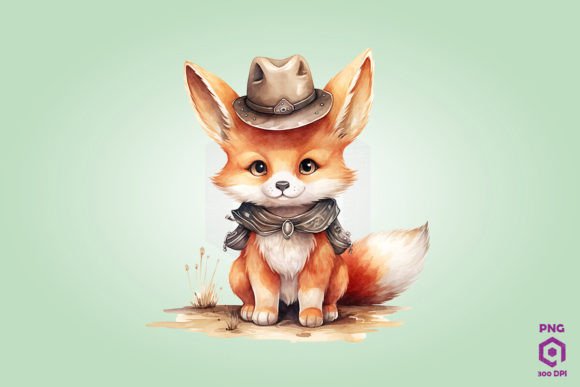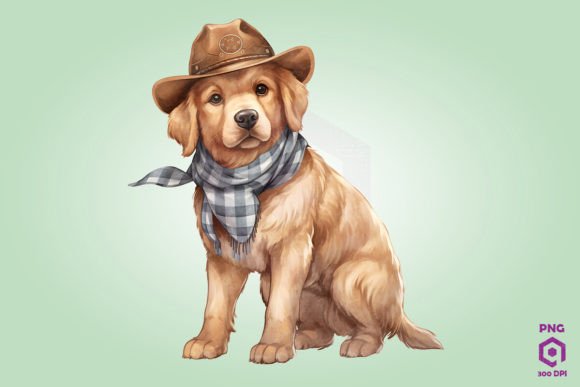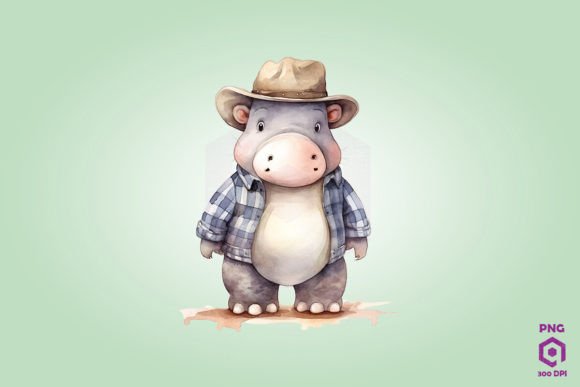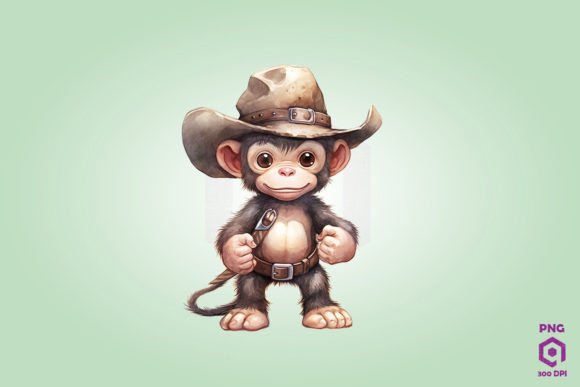
African Lion Wearing a Cowboy Hat Embroidery Review
When I am evaluating an illustrations asset for my own craft business, I am rarely looking at just the image file itself. I am looking at how that image will survive the transition from screen to needle, how it will sit on fabric, and whether it will resonate with the person buying a handmade product. Today, I am putting the African Lion Wearing a Cowboy Hat design through its paces. This is not just a cute clipart; it is a specific character-driven graphic that carries a distinct mood. For designers who specialize in custom apparel or unique personalized gifts, understanding the practical application of this embroidery project is key to creating items that feel professional rather than amateur.
First Impressions: The Personality of the Design
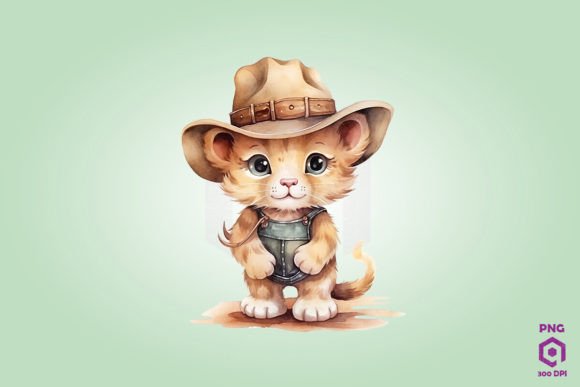
The moment you load the African Lion Wearing a Cowboy Hat into your digitizing software or preview window, the personality hits you. It is bold, slightly whimsical, but grounded in a strong silhouette. As a designer, I immediately look for clarity. Does the lion’s mane read clearly? Is the cowboy hat distinguishable? In this case, the visual weight is balanced well enough that even when scaled down, the core elements remain intact. It creates a mood that is approachable yet cool—a perfect blend for modern Etsy listings or boutique branding.
This isn’t a generic animal print. It is a statement piece. The juxtaposition of the majestic African lion with the rugged cowboy hat gives it a "wild west" or "safari adventure" vibe that works exceptionally well for targeted niches. Whether you are targeting outdoor enthusiasts, parents looking for unique nursery decor, or fans of eclectic fashion, this design assets package has a clear identity. It feels like a character you can build a brand around, rather than just another decorative element.
Real-World Application: Where Does This Fit?
I recently had a scenario where a client wanted a custom embroidered tote bag for a family reunion. They wanted something that represented their love for animals but also had a fun, adventurous spirit. The African Lion Wearing a Cowboy Hat came to mind immediately. Here is how I would approach executing this as a finished product:
- Tote Bag Design: Placed centrally on a canvas tote, this design screams quality. The bold lines of the hat and mane work beautifully against the textured weave of cotton canvas. It adds a focal point that makes the bag feel like a curated small shop product rather than a mass-produced item.
- Sweatshirt Embroidery: For a unisex hoodie, placing this on the chest area (left side) offers a subtle nod to personality without overwhelming the garment. The contrast between the soft fleece and the structured embroidery adds tactile interest.
- Baby Embroidery: On a muslin burp cloth or a onesie, the design takes on a softer tone. It becomes less about "wildness" and more about charm. Parents love unique names and themes, and a lion with a hat is memorable.
- Embroidered Patch: If you sell patches as accessories for denim jackets or backpacks, this design translates perfectly. The defined edges make it easy to trim and back with iron-on adhesive, creating a high-value add-on for your commercial embroidery catalog.
It also performs well in holiday embroidery contexts. Imagine this design paired with autumnal colors for a fall-themed apron or a winter holiday gift tag. The versatility allows it to cross over multiple seasons, increasing its value as a digital embroidery file.
Technical Considerations for Stitching Success
While the artwork is strong, execution is where many makers stumble. Before you commit to a large production run, you need to consider the technical constraints of the African Lion Wearing a Cowboy Hat design.
Hoop Size and Placement
Always check the recommended hoop size before starting. If the design includes intricate details in the lion’s eye or the stitching of the hat brim, ensure your machine can handle the resolution. For smaller projects like baby clothes, you may need to simplify the stitch pattern to avoid puckering. A dense fill stitch in a small area can cause fabric distortion, especially on thin materials.
Fabric Texture and Stabilizer
The choice of fabric dramatically affects the final look. On a smooth jersey knit, you might see some thread shine, which can be desirable for a polished look. However, on a rough burlap or heavily textured linen, fine details might get lost. Always use a proper stabilizer—cut-away for stretchy fabrics like sweatshirts to prevent shifting, and tear-away for stable woven fabrics like tote bags. Testing on scrap fabric first is non-negotiable. It helps you gauge how the thread colors interact with the base material.
Thread Colors and Contrast
The success of this design relies heavily on color contrast. If you are embroidering on a dark background, ensure your thread selection provides enough brightness to make the lion pop. Conversely, on light fabrics, avoid threads that are too close in shade to the fabric, as the details will disappear. I recommend running a black-and-white mockup test to verify that the shapes remain distinct regardless of color.
Where to Use With Caution
Not every surface is suitable for every design. There are specific scenarios where the African Lion Wearing a Cowboy Hat might face challenges:
- Small Hoop Sizes: If you attempt to stitch this in a very small hoop (under 4x4 inches), the fine details of the hat and mane may become muddy. The satin stitch edges might overlap, losing definition.
- Stretchy or Thin Fabric: Without adequate stabilization, stretchy fabrics like spandex blends can cause the design to warp. Thin fabrics may show the stabilizer through the back if not removed properly.
- Curved Surfaces: While caps are popular, embroidering a flat, rectangular design onto a curved brim can lead to distortion. It is better suited for flat panels or larger curved areas where the design can follow the contour naturally.
- Dense Stitch Areas: If the design includes large solid blocks of color, be mindful of heat buildup in your machine. Dense fill stitch can cause the fabric to melt or the needle to break if the speed is too high.
Final Verdict for Designers and Sellers
The African Lion Wearing a Cowboy Hat is a versatile, character-rich design that offers significant potential for creative entrepreneurs. It bridges the gap between cute and cool, making it appealing to a wide demographic. From apparel decorators looking to expand their catalog to digital product sellers offering printable mockups, this asset fits seamlessly into various workflows.
However, remember that a great design file is only half the battle. Your reputation as a maker depends on the quality of the finish. Take the time to test, adjust, and refine. Check your licensing terms carefully before selling finished items or digital products. When executed with care, this design can elevate a simple embroidery project into a standout finished product that customers are proud to wear or display. It is a smart addition to any graphics library focused on animal themes and rustic aesthetics.