Vintage Western Sheriff Cowboy Logo Review
When I sit down to evaluate a new digital asset for my embroidery studio, I am rarely looking at just a picture. I am visualizing the needle movement, the thread tension, and the final texture on fabric. As an experienced designer who regularly tests files before they hit our production floor or client projects, I approach every machine embroidery design with a healthy dose of skepticism and a focus on practical application. Today, I am breaking down the Vintage Western Sheriff Cowboy Logo, a file that promises a classic aesthetic but requires careful consideration before it is sent to the hoop.
This review focuses on real-world usage. Whether you are an Etsy seller preparing inventory for craft fairs, a small business owner creating branded merchandise, or a hobbyist making a personalized gift, understanding how this vector-based graphic translates from screen to stitch is crucial. The product notes indicate that this is a fully editable and scalable graphics asset available in multiple formats, including AI, EPS 10, PDF, SVG, and a JPG preview. While the non-editable text is a minor limitation, the core logo shape offers significant potential for customization.
First Impressions and Visual Personality
The immediate mood of the Vintage Western Sheriff Cowboy Logo is one of rugged authenticity. It does not try to be modern or minimalist; instead, it leans into a nostalgic, slightly distressed aesthetic that resonates strongly with western themes. For a designer, this is a double-edged sword. The "vintage" feel suggests wear and tear, which can look charming on a printed t-shirt but can become muddy when stitched with thread if the details are too fine.
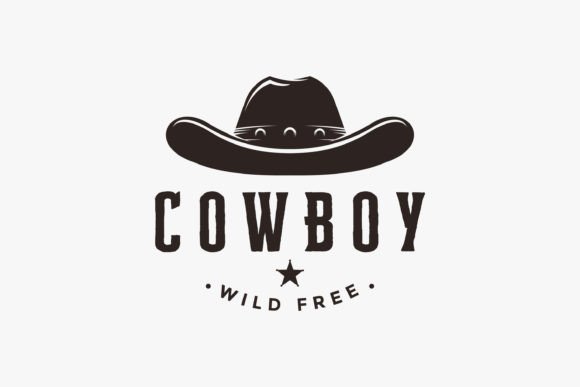
Visually, the layout is bold. The star badge motif is instantly recognizable, providing a strong focal point that works well for chest placements on apparel or centered designs on home goods. However, the intricate line work typical of western illustrations requires a clear eye for detail. When I first opened the vector file, my instinct was to check the negative space. In embroidery project planning, negative space is where the fabric shows through, defining the shape. If the lines are too close together without adequate backing, the design will pucker and lose its character.
The design feels best suited for products that embrace a rustic or heritage vibe. It naturally belongs on heavy cotton canvas, denim, or wool blends. It feels out of place on delicate silks or high-tech performance fabrics where the weight of the embroidery would overwhelm the material. This is not just a logo; it is a statement piece that demands respect from the underlying fabric.
Real-World Application: From Screen to Stitch
To truly understand the value of this file, we have to look at specific use cases. Let’s imagine you are preparing a batch of custom embroidered tote bags for a holiday market. You choose a natural canvas bag and decide to use the Vintage Western Sheriff Cowboy Logo as the central element. Because the file is vector-based and scalable, you can resize it to fit perfectly within your chosen hoop size without losing resolution. This is a critical advantage for digital embroidery file users who need flexibility.
Consider another scenario: creating personalized gifts for a baby shower or nursery decor. Here, the application changes. You might scale the logo down significantly to create a small accent on a onesie or a bib. In these smaller applications, the clarity of the satin stitch becomes paramount. If the star points or the text elements are too thin, they may not hold their shape after washing. For such delicate items, I often recommend testing the design as an applique design first, using a contrasting fabric base to ensure the logo stands out clearly against the baby’s clothing.
For commercial embroidery projects, such as branding for a boutique or a ranch supply shop, this logo offers high recognition value. Customers associate western symbols with durability and tradition. Using this embroidery file on a sweatshirt or a cap can elevate the perceived quality of the garment. It signals that the brand cares about aesthetics and heritage. However, this only works if the execution is clean. A sloppy stitch job on a complex vintage design will look amateurish, whereas a precise execution looks professional and timeless.
Technical Considerations for Embroidery Designers
Before committing this design to production, there are several technical factors that must be addressed. The fact that the text is non-editable means you cannot tweak the kerning or font choice if it clashes with your brand colors. You must work with what is provided. This makes thread selection even more important. You need to choose thread colors that provide sufficient contrast against your chosen fabric.
I strongly advise testing the design on scrap fabric first. This allows you to inspect small details that might get lost in the stitching process. Check the stitch density carefully. If the fill areas are too dense, the fabric may pucker excessively, especially on lightweight materials. Conversely, if the density is too low, the stabilizer may show through, ruining the finished product. Using the proper stabilizer is non-negotiable here. For a design with this level of detail, a cut-away stabilizer is often recommended for garments to prevent distortion over time, while a tear-away might suffice for stable home decor items like pillow covers or tea towels.
Another critical step is to test the design in black and white mockups. This helps you see the true contrast and balance of the shapes without the distraction of color. It also helps identify any areas where the design might appear too busy or cluttered. Additionally, compare the design on both light and dark fabric backgrounds. A logo that looks crisp on white may disappear on navy blue unless you adjust the thread palette accordingly.
Where to Use Carefully
While this design has broad appeal, it is not suitable for every surface. Avoid using it on highly textured fabrics, such as bouclé or heavy tweed, unless you are an advanced embroiderer comfortable with troubleshooting stability issues. Thin fabrics are also risky; the weight of the embroidery can cause the fabric to tear or sag over time. Stretchy fabrics, like jersey knits used in casual t-shirts, require extra care. Without proper stabilization, the Vintage Western Sheriff Cowboy Logo may distort during stitching, leading to misaligned elements.
Curved surfaces, such as baseball caps, present another challenge. While the logo can be digitized for curved hooping, the flat nature of many vector graphics may not conform perfectly to the curve of a hat without manual adjustment. Similarly, tiny lettering or detailed corners may not render well in very small hoop sizes. If you plan to sell these items, remember that customers expect durability. Designs that require frequent washing should be tested for colorfastness and stitch integrity to ensure they do not unravel or fade quickly.
Final Verdict on Value and Appeal
The Vintage Western Sheriff Cowboy Logo is a strong asset for designers looking to tap into the western and rustic markets. Its vector format ensures versatility, allowing you to adapt it for various handmade product categories, from custom apparel to embroidered patches. The key to success lies in preparation. By testing on scrap fabric, choosing the right stabilizer, and being mindful of stitch density, you can transform this digital graphic into a high-quality physical item that customers will love.
For craft business owners and small shop product creators, this design offers a way to add a touch of personality and professionalism to your inventory. It is particularly effective for holiday embroidery collections, wedding gifts, or boutique branding where a unique, thematic element is desired. However, always confirm licensing terms before selling finished items or using the design in design assets for resale. Ensure that the file permissions allow for commercial use to protect your business.
In conclusion, this is a versatile and visually appealing design that rewards careful execution. It is not a simple "push-and-go" file; it requires thoughtful planning regarding fabric choice, thread selection, and stabilization. But for those willing to put in the prep work, the result is a stunning, durable, and marketable finished product that captures the spirit of the west beautifully. Whether you are creating a single personalized gift or a large run of commercial embroidery goods, the Vintage Western Sheriff Cowboy Logo provides a solid foundation for creative success.