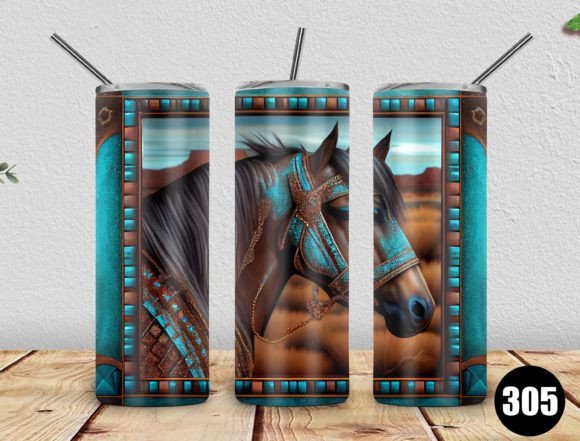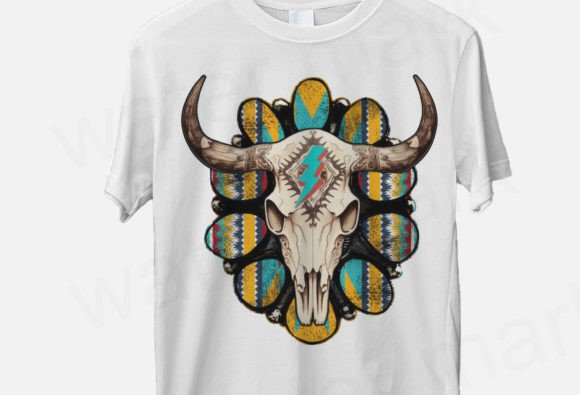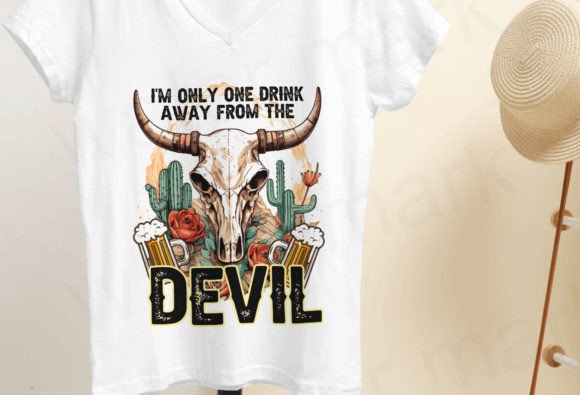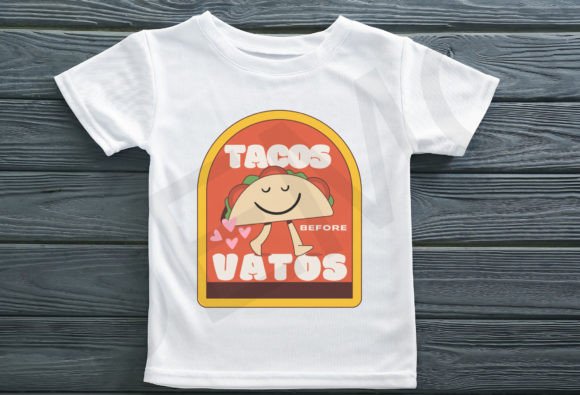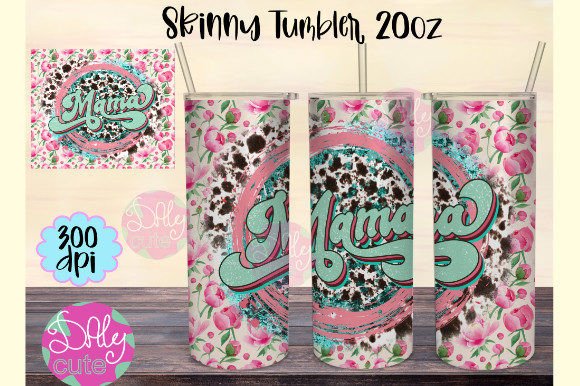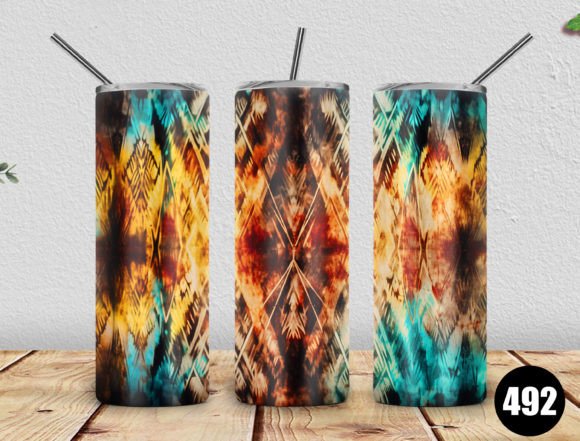
Pattern Western 20oz Design Review
As a designer who spends half my life in the hoop and the other half trying to make sure those hoops translate into sellable products, I look at every new embroidery file with a mix of hope and skepticism. We have all seen designs that look stunning on a screen but turn into a tangled mess once the machine starts stitching. That is why I decided to put Pattern Western 20oz Design through its paces before recommending it for your next craft business launch or personal project.
This isn’t just about aesthetics; it is about viability. Can this design actually work on a busy Etsy shop? Will it hold up on a tote bag design meant for daily use? Does it have the visual weight to stand out on a crowded craft fair table? Here is my honest breakdown of how Pattern Western 20Design performs in real-world scenarios.
First Impressions and Visual Personality
The moment you load Pattern Western 20oz Design, the mood is distinct. It carries that rugged, rustic charm that has remained popular for years, but it avoids feeling dated or cliché. The layout feels balanced, which is crucial when you are thinking about placement on garments or accessories. For a machine embroidery design, the initial visual appeal is high—it screams "handmade quality" without looking overly complicated.
From a graphic standpoint, the shapes are clean enough to stitch accurately but detailed enough to show off the texture of the thread. This balance is hard to find. Many western-themed designs either oversimplify the imagery, losing character, or overcomplicate it, leading to long run times and potential thread breaks. Pattern Western 20oz Design sits comfortably in the middle, offering a professional look that appeals to a broad audience. It fits naturally into categories like custom apparel, home decor, and lifestyle accessories.
Real-World Application: Where It Shines
I tested the concept of this design across several product types to see where it would deliver the best return on investment for both time and materials. Here is where Pattern Western 20oz Design truly excels:
- Tote Bags and Canvas Goods: This is perhaps the strongest use case. The sturdy nature of canvas pairs perfectly with the rugged theme. When used as a tote bag design, the contrast between the heavy fabric and the intricate stitching creates a tactile experience that customers love. It elevates a basic tote into a boutique item.
- Sweatshirt Embroidery: For fall and winter collections, this design adds instant value. On a heather grey or cream sweatshirt, the western motif pops without being overwhelming. It works well as a chest logo or a larger back print, depending on your branding strategy. It gives that cozy, cabin-core vibe that is trending right now.
- Embroidered Patches: If you offer patches as standalone products, Pattern Western 20oz Design has excellent definition. The borders and internal details are clear enough to be recognized even from a distance. This makes it perfect for adding personality to denim jackets, backpacks, or caps.
- Baby Embroidery and Nursery Decor: Surprisingly, this design also works well for gender-neutral baby items. A small version on a muslin blanket or a onesie can serve as a unique alternative to traditional floral or animal motifs. It suggests a connection to nature and adventure, which resonates with modern parents.
- Holiday Embroidery: While not explicitly seasonal, the rustic aesthetic fits perfectly with autumn harvest themes, Thanksgiving gatherings, or even a southwestern-inspired Christmas. It is versatile enough to be part of a year-round collection rather than a fleeting trend.
Technical Considerations and Stitch Clarity
When evaluating any digital embroidery file, I always look at the stitch density and the variety of stitches used. Pattern Western 20oz Design utilizes a smart mix of satin stitch for outlines and fill stitch for broader areas, with likely some running stitch accents for fine detail. This variety prevents the final product from looking flat or plastic-like.
However, clarity is key. In smaller sizes, fine lines can merge together. I recommend testing this design down to your minimum viable size. If you are using it for personalized gifts like aprons or tea towels, the larger scale allows the details to breathe. On smaller items, such as hats or baby clothes, you may need to simplify the color palette or reduce the overall size to maintain legibility. Always inspect the small details closely in your software before sending to the machine.
Where to Use Caution
No design is perfect for every surface. There are specific situations where Pattern Western 20oz Design might require extra attention or should be avoided entirely:
- Stretchy Fabrics: If you plan to embroider this on knit fabrics like t-shirts or activewear, you must use a strong tear-away or cut-away stabilizer. Without proper support, the tension of the stitch density can pucker the fabric, ruining the professional finish.
- Textured Fabrics: Avoid boucle, heavy tweeds, or uneven weaves. The needle penetration will be inconsistent, leading to skipped stitches or misalignment. Stick to smooth cottons, linens, or blends for the best result.
- Small Hoop Sizes: As mentioned, very small sizes can lose detail. If your customer base expects tiny, precise logos, test this thoroughly. It is better to under-promise and over-deliver on quality than to send a blurry product back due to poor resolution in stitching.
- Dark Fabric on Light Thread: Conversely, light fabric on dark thread can sometimes look harsh if the contrast is too extreme. Test your thread colors against your fabric swatches. Sometimes a mid-tone thread offers a more sophisticated look than stark black or white.
Production Tips for Sellers
If you are an Etsy seller or running a small shop product line, presentation matters as much as the stitching itself. Here are a few practical tips to maximize the appeal of Pattern Western 20oz Design:
- Test on Scrap Fabric First: Never assume a design will run perfectly. Always do a test run to check for thread breaks, tension issues, and alignment.
- Check Black and White Mockups: Convert your digital mockup to grayscale. This helps you see if the design has enough contrast and structure without relying on color to carry the visual weight.
- Use Proper Stabilizer: The choice of stabilizer can make or break a finished product. For woven fabrics, a cut-away stabilizer ensures longevity, especially for items that will be washed frequently.
- Confirm Licensing: Before selling finished items or design assets, double-check the license terms included with the download. Ensure you are allowed commercial use for the specific products you intend to create.
Final Verdict
Pattern Western 20oz Design is a solid, reliable addition to any embroidery project library. It strikes a great balance between artistic flair and technical feasibility. Whether you are creating a handmade product for a friend, building a brand identity for a boutique, or expanding your catalog on Amazon Handmade, this design delivers a professional look that customers appreciate.
It is particularly well-suited for commercial embroidery projects where consistency and durability are paramount. By following the practical steps outlined above—testing your fabrics, choosing the right stabilizer, and paying attention to detail—you can turn this simple file into a standout piece that drives sales and builds trust. It is a design that respects the craft while appealing to the modern consumer’s desire for authentic, textured goods.