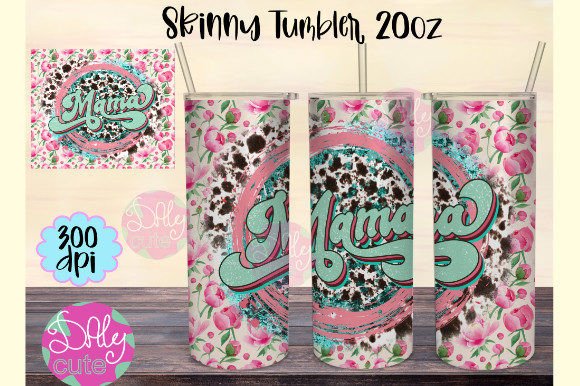
Mama Cowhide Western Tumbler 20oz Skinny Review
As a designer who spends more time staring at stitch charts than sleeping, I approach every new machine embroidery design with a healthy dose of skepticism. The market is flooded with digital assets that look stunning in a flat preview but fall apart under the needle. Recently, I pulled up the Mama Cowhide Western Tumbler 20oz Skinny to see if it had the legs for real-world application. This isn’t just another generic graphic; it’s a specific visual asset categorized under Print Templates and Graphics, intended to be adapted into an embroidery project. My goal here is to strip away the marketing fluff and give you the practical breakdown of how this design behaves when it transitions from a screen to fabric.
First Impressions: Mood and Visual Personality
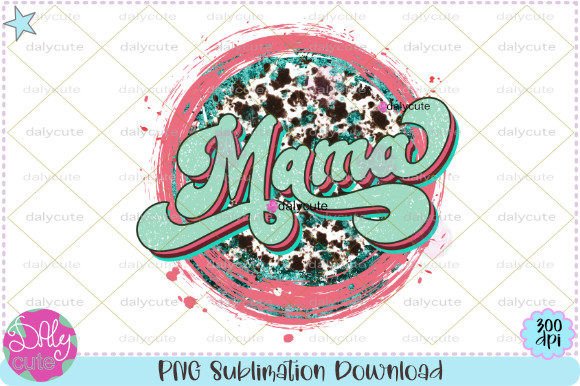
The moment you load the file, the vibe is distinct. It leans heavily into the western aesthetic, blending rustic charm with modern typography. For designers targeting the Etsy seller demographic or those running a craft business focused on boutique branding, this mood is gold. It feels cozy yet rugged—a perfect intersection for handmade products that aim to feel personal rather than mass-produced.
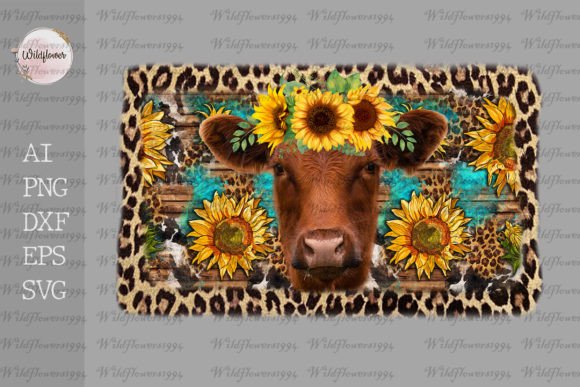
The layout suggests a wrap-around concept, which aligns with its name referencing a tumbler. However, as an embroidery reviewer, my immediate thought was not about tumblers, but about how this translates to textile surfaces. The cowhide texture implies a need for careful thread selection. If executed poorly, it can look muddy; if executed well, it adds incredible depth. The design has a strong visual personality that screams "personalized gift," making it highly attractive to customers looking for unique items for themselves or others.
Real-World Application: Where Does This Fit?
I don’t believe in one-size-fits-all designs, and neither should you. When I imagine using Mama Cowhide Western Tumbler 20oz Skinny, I picture specific scenarios where this embroidery file would truly shine. It is not suited for everything, but for the right product, it is a winner.
- Custom Apparel: I see this working beautifully on heavyweight cotton sweatshirts or denim jackets. The western theme pairs naturally with durable fabrics. On a sweatshirt embroidery project, the design could serve as a back print or a large chest logo, offering a statement piece that stands out in a crowd.
- Baby Embroidery: There is a surprising versatility here for nursery decor or baby clothes. A softer interpretation of the cowhide pattern, perhaps in muted earth tones, could work wonders on a muslin blanket or a bib. It taps into the popular "western nursery" trend without being overly childish.
- Tote Bag Design: Canvas tote bags are a staple for the small shop product seller. This design fits perfectly on the side panel of a canvas bag, acting as a functional art piece. It elevates a basic tote into a branded accessory.
- Holiday Embroidery: Given the rustic feel, this design is excellent for holiday gifts. Think Christmas stockings, kitchen towels, or aprons. The warm, homey aesthetic resonates strongly during the gifting season.
However, I must caution against using this for delicate items like fine silk scarves or thin synthetic blends. The weight of the design requires a sturdy substrate to maintain its integrity.
Technical Execution and Stitching Challenges
This is where the rubber meets the road. Since this is provided as a digital embroidery file (specifically PNG files for sublimation templates that you may digitize or trace), the onus is on you to ensure the final output is professional. Here is what you need to watch out for.
Stitch Density and Fabric Texture
The cowhide element likely relies on fill stitches to create texture. If your stitch density is too high, the fabric will pucker. If it is too low, the backing material might show through, ruining the clean look. You must test the design on scrap fabric first. Pay close attention to how the thread colors interact with the base fabric. On dark fabric, you will need a solid underlay or a contrasting top layer to make the design pop. On light fabric, you have more freedom, but color accuracy is paramount.
Hoop Size and Placement
The dimensions of Mama Cowhide Western Tumbler 20oz Skinny suggest it is meant for larger areas. Ensure your hoop size can accommodate the full width without requiring awkward re-hooping, which can misalign the design. If you are attempting to place this on a curved surface like a cap, be prepared for distortion. Curved surfaces require specialized techniques, and a design with complex textures like cowhide can easily lose definition if the tension isn't perfect.
Detail Clarity
Inspect the small details. Are there tiny lettering elements or intricate decorative accents? These are the first things to get lost in bad stitching. If the design includes text, verify that the font is legible after stitching. A common mistake is assuming that because it looks sharp on screen, it will stitch sharply. It often doesn’t. Test it in black and white mockups to check contrast before committing to expensive threads.
Business Value and Customer Appeal
From a commercial standpoint, this design offers high perceived value. Customers love personalized items, and a well-executed embroidered patch or custom apparel piece featuring this design can command a premium price. It signals professionalism and attention to detail. When buyers see a consistent brand aesthetic—such as a cohesive western theme across your shop—they are more likely to trust your quality.
Furthermore, the adaptability of this graphic allows for creative printable mockup creation. Even before you stitch, you can use the original graphic to showcase potential products online. This helps in marketing your design assets and attracting buyers who want to visualize the finished product. It serves as a versatile tool for both commercial embroidery projects and personal hobbies.
Final Verdict and Practical Tips
Mama Cowhide Western Tumbler 20oz Skinny is a strong contender for designers looking to expand their western or rustic-themed collections. It is not a beginner-friendly "one-click" solution, but for those willing to put in the setup time, it rewards you with a high-quality, marketable result.
To ensure success, remember these key steps:
- Test Extensively: Never run a production batch without testing on the actual fabric you plan to sell.
- Check Licensing: Confirm whether you have the rights to sell finished items made from this graphics file. Commercial use permissions vary widely.
- Use Proper Stabilizer: Depending on the fabric, you may need cut-away stabilizer to prevent shifting, especially for larger designs.
- Consider Thread Quality: Use high-quality polyester or rayon threads to enhance the sheen and durability of the finish.
If you are an apparel decorator, a maker looking to add variety to your shop, or simply someone who appreciates good design, this asset is worth exploring. Just respect the process, test thoroughly, and let the craftsmanship speak for itself. The difference between a mediocre product and a bestseller often lies in these small, thoughtful details.