Hippopotamus Wearing a Cowboy Hat: A Designer’s Review
As an embroidery designer who spends more time than I care to admit staring at stitch density charts and testing thread contrasts, I approach every new machine embroidery design with a healthy dose of skepticism. The market is flooded with clipart that looks great on a screen but falls apart under the needle. However, when I first pulled up the Hippopotamus Wearing a Cowboy Hat graphic, I paused. It wasn’t just another generic animal print; it had personality. This piece sits squarely in the realm of Illustrations and Graphics, but its potential for commercial embroidery and handmade goods is where the real value lies.
First Impressions: Personality Meets Practicality
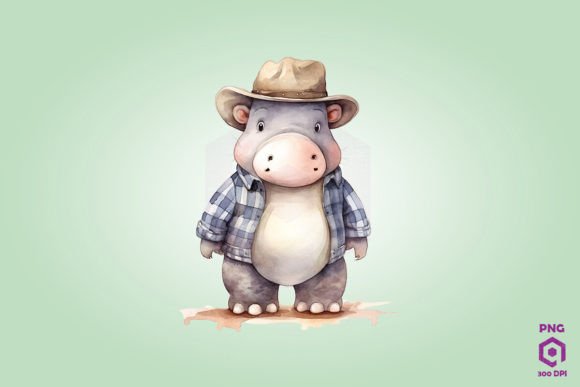
The immediate draw of this design is its whimsical charm. A hippo is already a beloved subject in baby embroidery and nursery decor, but adding a cowboy hat shifts the vibe from purely cute to playful and rustic. For designers looking to create unique handmade products, this specific combination offers a narrative. It isn’t just a hippo; it’s a character. This storytelling aspect is crucial for Etsy sellers and small shop owners because it gives the buyer a reason to connect with the item beyond simple aesthetics.
Visually, the layout feels balanced. The roundness of the hippo’s head provides a stable foundation, while the brim of the hat adds a horizontal line that helps anchor the design within a hoop. From a technical standpoint, this suggests good stability during stitching. The contrast between the soft curves of the animal and the structured shape of the hat creates visual interest without requiring overly complex digitizing tricks. It feels like a design meant to be seen, not just stitched.
Real-World Application: Where Does This Fit?
I often think about how a design will behave before I even load the file into my machine. So, let’s look at some real scenarios for using the Hippopotamus Wearing a Cowboy Hat design.
- Custom Apparel: This design shines on casual wear. Imagine it centered on a cream or denim sweatshirt embroidery project. The rustic cowboy theme pairs perfectly with workwear aesthetics. It also works well as a pocket-sized detail on a t-shirt, offering a subtle nod to humor and style.
- Baby and Nursery Items: There is a strong market for animal-themed personalized gifts. This design would look adorable on a muslin swaddle, a hooded towel, or a crib bumper. The friendly expression of the hippo translates well to infant products, where safety and cuteness are paramount.
- Home Decor: Consider a kitchen towel or a tea towel. The vertical orientation of many hippo portraits fits naturally on these items. Alternatively, use it for a throw pillow cover. The bold lines of the hat stand out against textured fabrics like linen or cotton blends, making it a standout embroidery project.
- Accessories: An embroidered patch featuring this character could be applied to a backpack, a diaper bag, or a baseball cap. If you are creating craft business inventory, patches are low-cost, high-margin items that allow customers to customize their gear.
Technical Considerations for Embroidery Designers
While the source file is described as a PNG clipart, converting raster graphics to vector embroidery files requires careful attention. Here is what I look for when evaluating the Hippopotamus Wearing a Cowboy Hat for production:
Stitch Density and Detail
The key to a clean finish is managing the stitch density. If the hat’s texture is too detailed, it might pucker on lighter fabrics. I recommend breaking down the design into distinct elements. Use fill stitch for the main body of the hippo to give it volume, but keep the hat’s details to running stitch or minimal satin edges to maintain clarity. Avoid over-stitching the eyes and nostrils; sometimes less is more, especially if the final product will be handled frequently by children.
Fabric and Stabilizer Choices
This design is versatile but demands respect for fabric structure. On stretchy knits, such as those used for baby onesies or fitted caps, a cut-away stabilizer is non-negotiable to prevent distortion. For woven fabrics like tote bags or aprons, a tear-away stabilizer might suffice, but always test first. The fabric texture can hide minor imperfections, which is why this design performs exceptionally well on heathered gray or oatmeal-colored materials where the thread colors blend softly.
Thread Color Contrast
When planning your thread colors, ensure there is enough contrast between the hippo’s skin tone and the background fabric. A light beige hippo on white fabric might disappear, whereas a dark brown or charcoal hippo on a black shirt creates a striking silhouette. Test your digital embroidery file in black and white mockups to check the tonal balance before committing to expensive specialty threads.
Pitfalls to Avoid
Even the best designs have limitations. Here are areas where you should exercise caution:
- Small Hoop Sizes: Trying to cram this design into a 4x4 inch hoop might result in lost details, particularly around the hat’s brim and facial features. Ensure your hoop size allows for adequate spacing.
- Textured Fabrics: While linen looks great, heavy weaves can obscure fine stitches. If the hat has tiny decorative elements, they may get swallowed by the fabric’s nap.
- Dense Stitch Areas: Be wary of placing dense fill stitches directly next to each other without adequate spacing. This can cause the fabric to pucker, ruining the professional look of your finished product.
Final Verdict: Is It Worth the Investment?
For creative entrepreneurs and makers, the Hippopotamus Wearing a Cowboy Hat is a solid addition to your library. It bridges the gap between novelty and professionalism. It is not just a joke design; it is a well-composed graphic that respects the medium of embroidery.
Before using this for any commercial projects, remember to verify the licensing terms provided with the original purchase. Just because you bought the graphic does not automatically grant commercial rights for embroidered goods. Once that is cleared, this design offers excellent versatility. It works for holiday gifts, boutique branding, and everyday custom apparel.
In summary, if you are looking to add a touch of whimsy to your shop without sacrificing quality, this design delivers. It captures attention, invites conversation, and, when stitched correctly, results in a handmade product that customers will love. Always test on scrap fabric, trust your eye, and let the design’s inherent charm do the heavy lifting.