Mamas Little Cowboy Embroidery Design Review
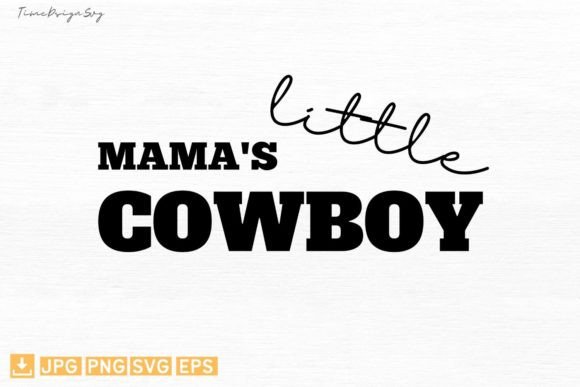
When I scout for digital assets to add to my studio’s library, I am rarely impressed by generic clip art. I look for character, clean lines, and a layout that translates well from screen to needle. Mamas Little Cowboy is one of those designs that immediately caught my eye. It sits squarely in the T-Shirt Designs category but feels far more versatile than its label suggests. As an embroidery product reviewer, I have spent years testing how graphic elements hold up under the tension of a machine hoop. My evaluation here focuses on practical application: how this design behaves during stitching, where it shines in a commercial setting, and what pitfalls you might encounter if you rush the process.
First Impressions and Visual Personality
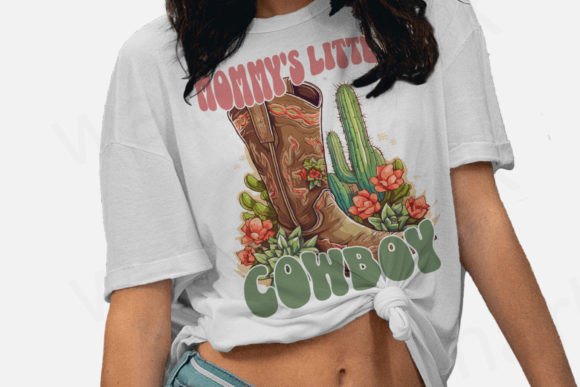
The immediate mood of Mamas Little Cowboy is warm, nostalgic, and undeniably cute without being overly saccharine. The visual personality relies on strong silhouettes rather than intricate, fragile details. For a designer, this is a green flag. Complex, tiny details often get lost or become tangled messes when digitized for smaller hoops. This design appears to balance charm with structural integrity. It feels like a piece of custom apparel ready to be worn with pride, yet refined enough for a high-end boutique listing.
The theme taps into a timeless aesthetic. Whether it is intended for a baby shower gift or a rustic wedding favor, the imagery resonates across generations. It avoids trendy slang or fleeting pop-culture references, which means your handmade product will not feel dated in six months. This longevity is crucial for Etsy sellers and small shop owners who want their inventory to remain relevant. The design assets provided are clean, suggesting that the underlying vector work is solid, which is half the battle won before the thread even touches the fabric.
Real-World Application Scenarios
To truly understand the value of this embroidery file, we need to look at it through the lens of actual production. Let us imagine a specific scenario: You are preparing a batch of personalized gifts for a local craft fair. You decide to create a line of soft, organic cotton onesies for newborns. Mamas Little Cowboy fits perfectly here. The design is likely compact enough to sit neatly on the chest area of a baby garment without overwhelming the small frame. The contrast between the rugged cowboy theme and the delicate nature of infant wear creates a compelling narrative that parents love.
However, the utility of this design extends far beyond baby clothes. Consider a tote bag design for a farmer’s market vendor. Placing this graphic on a heavy canvas tote adds a touch of whimsy that elevates a basic accessory into a statement piece. Or perhaps you are working on sweatshirt embroidery for a family reunion. A larger version of this graphic could serve as the centerpiece of a matching set for siblings. The versatility allows you to pivot between different product types—holiday embroidery items, kitchen towels, or even nursery decor—using the same core asset.
For commercial embroidery projects, the appeal lies in its broad demographic reach. It works for boys, girls, and gender-neutral themes alike. This flexibility reduces the risk of unsold inventory because the design does not alienate any specific subset of buyers. When you are creating printable mockups for your online store, knowing that the design has such wide appeal helps you justify the effort of producing multiple variations.
Where Caution Is Required
No design is perfect for every surface. While Mamas Little Cowboy is robust, there are specific situations where you must exercise professional judgment. First, avoid placing this design on highly textured fabrics like thick chenille or loose-weave burlap unless you have extensive experience. The background noise of the fabric can obscure the finer lines of the graphic, making the final result look muddy.
Stretchy fabrics present another challenge. If you attempt to embroider this on thin jersey knit without proper support, the design may pucker or distort. Always use a cut-away stabilizer for knits to ensure the finished product maintains its shape after washing. Similarly, be wary of curved surfaces like baseball caps. While possible, the curvature can stretch the design horizontally. You may need to adjust the digitization slightly or choose a flatter panel on the hat to ensure the proportions remain true to the original Graphics concept.
Dense stitch areas should also be scrutinized. If the design includes large blocks of fill stitch, test it on scrap fabric first. Excessive density can make the embroidery stiff and uncomfortable, particularly on baby embroidery projects where softness is paramount. If the design features small lettering or tiny decorative accents, ensure that these elements are large enough to be stitched clearly. Tiny details often disappear in mass production, leading to customer dissatisfaction.
Technical Execution and Quality Control
As a designer, my advice is to never skip the test run. Before committing to a full production run of personalized gifts, stitch Mamas Little Cowboy out on the exact fabric and stabilizer combination you plan to use. Check the thread color contrast carefully. A design that looks crisp in black and white might lose its definition if the thread color blends too much with the fabric background. Test it against both light and dark backgrounds to see how the negative space behaves.
Inspect the stitch density closely. Look for any areas where the stitches might overlap awkwardly or where the fabric shows through. If you are using an applique design technique, ensure that the base layer is secure and the top layers lie flat. The transition between different stitch types, such as satin stitch, fill stitch, and running stitch, should be smooth. Any abrupt changes can cause thread breaks or visible imperfections.
Confirm the hoop size requirements early. Working within the constraints of your machine’s maximum hoop size will save you time and frustration. If the design is larger than your hoop, you will need to rehoop, which increases the risk of misalignment. Ensure that your stabilizer choice matches the weight and stretch of your fabric. A lightweight tear-away might suffice for woven cotton, but a heavier cut-away is necessary for durable goods like embroidered patches or bags that will undergo frequent washing.
Final Verdict on Value and Trust
In the world of handmade commerce, trust is built on consistency and quality. Using a well-executed design like Mamas Little Cowboy signals professionalism to your customers. It shows that you care about the details, from the initial digital download to the final knot trimming. This attention to detail enhances brand consistency and makes your craft business stand out in a crowded marketplace.
The design’s ability to evoke emotion while remaining technically sound makes it a valuable addition to any designer’s toolkit. It supports a wide range of products, from intimate personalized gifts to scalable small shop products. By following best practices—testing on scrap fabric, verifying stitch clarity, and choosing appropriate materials—you can ensure that every finished item meets the highest standards. For creative entrepreneurs looking to expand their offerings with designs that have both heart and hit rate, this is a smart, practical investment.
Remember to review the licensing terms provided with the download. Confirm whether you have the right to sell finished items created with this digital embroidery file. Understanding these boundaries protects your business and ensures ethical use of design assets. With careful planning and execution, Mamas Little Cowboy can become a staple in your repertoire, driving engagement and sales for your embroidery project portfolio.