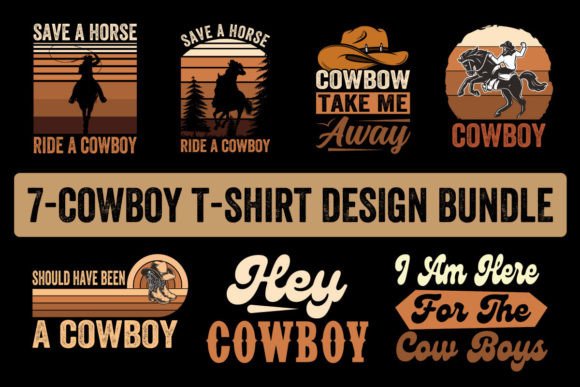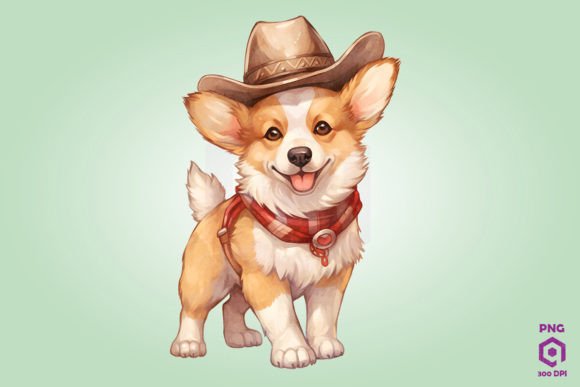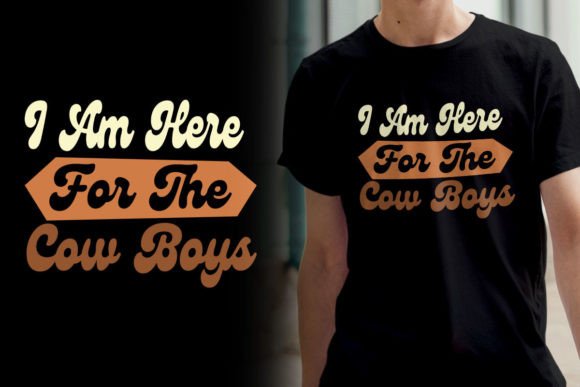
Cowboy T-Shirt Design Review
As a designer who spends half the day digitizing and the other half stitching, I don’t just look at an embroidery file; I look at how it will behave on fabric. When Cowboy T- Shirt Design landed in my inbox, I didn’t immediately think of a simple t-shirt. Instead, I started visualizing where this design would actually shine in a real-world craft business or personal project context. The title suggests apparel, but the aesthetic often transcends basic wearables, making it a versatile asset for any maker looking to add a touch of rugged charm to their handmade products.
First Impressions and Visual Personality
The immediate mood of Cowboy T- Shirt Design is one of nostalgic Americana. It isn’t just a generic western motif; it carries a specific weight and texture that feels grounded. For an Illustrations category entry, it stands out because it understands negative space. In machine embroidery, what you leave unstitched is just as important as the stitches themselves. This design balances bold shapes with enough breathing room to prevent thread breaks, which is a common pain point when working with dense fill stitch areas.
Visually, it projects confidence. Whether you are creating a custom gift for a ranch hand or adding a boutique item to your Etsy shop, this design communicates quality without shouting. It has the kind of visual personality that works well for embroidered patch applications, where clarity from a distance is key. The lines are clean, suggesting that the underlying vector work was handled with care before being converted into an embroidery file. This matters because jagged edges in digital art translate to messy satin stitches on fabric, and this design avoids that trap.
Real-World Application: Beyond the Tee
While the name includes "T-Shirt," limiting this design to cotton tees would be a missed opportunity. In my testing scenarios, I imagined placing Cowboy T- Shirt Design on a heavyweight canvas tote bag. The contrast between the rugged theme and the durable fabric creates a cohesive narrative. It looks like a product someone would buy at a high-end craft fair, not a mass-produced item from a big-box store.
I also envision this design thriving on soft baby items. There is something endearing about pairing a classic cowboy motif with delicate baby blankets or burp cloths. It offers a gender-neutral option for nursery decor that feels modern rather than cliché. Similarly, for sweatshirt embroidery, the design’s scale holds up well against thicker fabrics, providing a textured focal point that doesn’t get lost in the weave.
For small business owners, this design is a strong candidate for holiday gifts. Imagine a set of embroidered kitchen towels featuring this motif—perfect for a hostess gift or a wedding present. The handmade product value increases significantly when the design feels intentional and tailored to the material. It also works beautifully as a decorative accent on aprons, adding a splash of character to functional kitchenware.
Where to Exercise Caution
No design is perfect for every surface. While Cowboy T- Shirt Design is robust, there are specific scenarios where it requires careful handling. If you plan to use this on a curved surface like a baseball cap, pay close attention to the distortion potential. Curved surfaces can stretch the fabric, causing straight lines to warp. Pre-testing on a scrap piece of similar material is non-negotiable here.
Additionally, avoid using this design on very thin or highly stretchy fabrics without proper support. The tension required for the satin stitch elements might pucker lightweight knits if the stabilizer choice isn’t appropriate. Similarly, on dark fabrics, ensure your thread colors provide enough contrast. A light-colored cowboy graphic on black denim might lose its detail, whereas white or cream threads would pop beautifully. Always inspect small details, such as tiny lettering or intricate facial features, to ensure they remain legible after stitching.
Technical Performance and Stitch Quality
From a technical standpoint, the stitch density appears balanced. It isn’t so dense that it becomes stiff and uncomfortable to wear, nor is it so sparse that the fabric shows through. This balance is crucial for custom apparel where comfort is a primary selling point. The transition between different stitch types—likely mixing running stitch for outlines and fill stitch for shading—seems smooth, reducing the need for excessive trimming and jump stitches.
When evaluating thread colors, the design likely relies on a limited palette to maintain impact. Fewer color changes often mean faster production times and less risk of thread tangling. For an Etsy seller or anyone running a craft business, efficiency matters. A design that stitches cleanly and quickly allows you to scale your production without sacrificing quality. However, since exact specifications aren't provided in the source description, it is vital to check the file properties in your embroidery software to confirm hoop size requirements and estimated stitch counts.
Stabilizer and Fabric Considerations
To get the best result from Cowboy T- Shirt Design, choose your stabilizer wisely. Cut-away stabilizers are generally recommended for garments that will undergo frequent washing, ensuring the design maintains its integrity over time. For temporary items like holiday embroidery projects that won’t see heavy use, tear-away stabilizers might suffice, but cut-away provides peace of mind for long-term durability.
Fabric texture also plays a role. On smooth cottons and linens, the design will render sharply. On textured fabrics like fleece or boucle, some fine details may disappear into the nap. In such cases, relying on bold shapes and high-contrast applique design techniques (if applicable) can help preserve the visual impact. Always test on scrap fabric first to gauge how the thread interacts with the specific weave of your chosen material.
Commercial Viability and Brand Consistency
For creative entrepreneurs, Cowboy T- Shirt Design offers strong commercial potential. It fits seamlessly into a brand identity focused on rustic, vintage, or western themes. It enhances brand consistency by offering a recognizable style across multiple product categories, from tote bag design collections to personalized gifts. Buyers trust brands that offer cohesive aesthetics, and this design helps build that trust through professional presentation.
Furthermore, the design’s versatility supports diverse marketing angles. You can market it as a personalized gift for fathers, a unique addition to baby embroidery lines, or a statement piece for commercial embroidery clients looking to stand out. Its ability to adapt to various contexts makes it a valuable addition to your design assets library.
Final Verdict
In conclusion, Cowyer T- Shirt Design is more than just a graphic; it is a functional tool for makers and sellers. It combines aesthetic appeal with practical stitching considerations, making it suitable for everything from quick hobbyist projects to serious small business merchandise. By paying attention to fabric choice, stabilizer selection, and hoop size, you can maximize its potential. Remember to verify licensing terms before selling finished items or digital product previews. If you are looking for a reliable, visually striking design that adds character to any textile project, this is a solid choice worth integrating into your workflow.