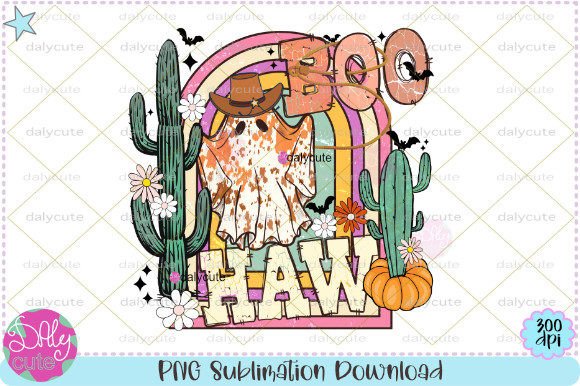
Boo Haw Cowboy Retro Halloween Cactus
As a designer who spends more time staring at stitch density charts than watching TV, I approach every new digital asset with a mix of curiosity and skepticism. The market is flooded with generic clip art, but finding a design that balances aesthetic charm with technical viability for embroidery is a different story entirely. That is why I took a close look at the Boo Haw Cowboy Retro Halloween Cactus. While it is marketed primarily as a sublimation graphic, its visual language screams potential for textile application. In this review, I am evaluating how this specific graphic translates from a screen to a hoop, considering its viability for real-world projects like custom apparel, boutique merchandise, and personalized gifts.
First Impressions: Mood and Visual Personality
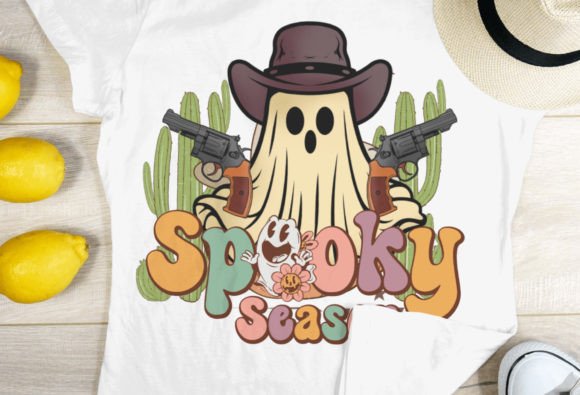
The moment you see the Boo Haw Cowboy Retro Halloween Cactus, it establishes a very specific tone. It is not trying to be scary; instead, it leans into a playful, nostalgic vibe that feels right at home in the current retro-aesthetic trend. The character—a cactus donning cowboy attire with a spooky twist—has a distinct personality. For an embroiderer, the first question is always about legibility. Does the design hold up when translated from pixels to thread?
The layout is centered and balanced, which is crucial for most standard embroidery hoops. The "Retro" aspect suggests bold lines and perhaps a limited color palette, both of which are favorable for machine work. Unlike intricate photorealistic designs that require thousands of stitches and delicate satin work, this graphic appears to rely on strong shapes. This makes it an excellent candidate for a variety of fabric textures, from sturdy denim to soft cotton blends. It feels like a design meant to bring a smile, making it perfect for casual wear or lighthearted holiday decor rather than formal events.
Real-World Application: From Screen to Stitch
I recently considered using a design like the Boo Haw Cowboy Retro Halloween Cactus for a batch of custom sweatshirts for a local craft fair. Here is how I envision this working in practice. Because the source file is provided as a high-resolution PNG (300 dpi), the initial clarity is sharp. However, converting a raster image for embroidery requires careful digitization or selection of a pre-digitized file that mimics these shapes accurately.
If we assume this design is adapted for machine embroidery, here is where it shines:
- Tote Bag Design: A sturdy canvas tote is the ideal canvas for this motif. The rugged nature of the cactus theme pairs well with the texture of canvas, and the retro colors would pop against natural beige or black backgrounds.
- Sweatshirt Embroidery: For autumn and Halloween seasons, a chest-sized placement on a crewneck sweatshirt works beautifully. The design has enough visual weight to stand out without overwhelming the garment.
- Baby Embroidery: The playful "Boo Haw" theme is gentle enough for nursery items or baby onesies. When stitched in pastel threads, it transforms from a Halloween joke into a cute seasonal keepsake.
- Embroidered Patch: If you sell patches as accessories, this design’s self-contained shape makes it easy to finish with a blanket stitch border. It would look great on jean jackets or backpacks.
For Etsy sellers and small business owners, versatility is key. This graphic can serve as a base for multiple product lines. You might offer it on tea towels for kitchen decor, aprons for baking enthusiasts, or even pillow covers for seasonal home styling. The broad appeal of the subject matter ensures that your finished product will have a wide customer base, from hobbyists to serious collectors of retro-themed goods.
Technical Considerations and Potential Pitfalls
While the concept is strong, practical execution requires caution. As an experienced reviewer, I must highlight areas where this design could fail if not handled correctly.
Hoop Size and Detail Level: If the original design contains tiny text or extremely fine details, it may become muddy in smaller hoop sizes. Embroidery machines struggle with minute details that do not have enough space between stitches. Before committing to production, test the design in your smallest intended hoop size. If the cactus spines or facial features blur together, you will need to simplify the digitization or increase the scale.
Fabric Texture and Stability: This design looks best on stable, woven fabrics. Avoid using it on highly textured materials like heavy bouclé or stretchy jersey knits without proper stabilizer support. Stretchy fabrics can distort the geometric integrity of the cowboy hat or the cactus body, leading to a sloppy final product. Always use a cut-away stabilizer for garments that will undergo frequent washing, especially if the design includes dense fill stitches.
Thread Color Contrast: The visual impact of the Boo Haw Cowboy Retro Halloween Cactus relies heavily on contrast. On dark fabrics, light thread colors are essential for visibility. Conversely, on light fabrics, darker threads provide definition. Test your thread choices against your actual fabric swatches. Do not rely solely on the digital preview, as screen colors rarely match thread pigments exactly.
Impact on Brand and Customer Perception
In the world of handmade products, presentation is everything. A well-executed embroidery project signals professionalism and care. Using a unique, thematic design like this one helps differentiate your brand from competitors selling generic patterns. Customers associate high-quality stitching with durability and value, which can justify higher price points for your finished goods.
Furthermore, the novelty of the design drives engagement. Social media platforms favor visually interesting, themed content. A photo of a finished cactus cowboy embroidered on a vintage-style denim jacket is likely to perform well in terms of likes and shares, driving traffic to your shop. It creates a narrative around your products, allowing you to market them not just as items, but as expressions of personality and humor.
Practical Designer Notes for Success
To ensure the Boo Haw Cowboy Retro Halloween Cactus delivers the best results, follow these steps before starting any commercial run:
- Test on Scrap Fabric: Never go straight to the final product. Run a test stitch on the exact fabric you plan to use to check for puckering, tension issues, or color mismatches.
- Check Stitch Density: Ensure the digitized file does not have overly dense areas that could cause needle breakage or fabric stiffness. Adjusting the underlay stitches can significantly improve the drape of the finished piece.
- Verify Licensing: Since this is a digital asset, confirm the licensing terms before selling finished items. Some licenses restrict commercial use or limit the number of units you can produce.
- Inspect Small Details: Zoom in on the design elements. Are there any isolated dots or thin lines that might disappear after stitching? These should be removed or thickened during the digitizing process.
- Use Proper Stabilizer: Match your stabilizer to the fabric weight. Light fabrics need lightweight stabilizers, while heavy fabrics require robust support to prevent distortion.
Ultimately, the Boo Haw Cowboy Retro Halloween Cactus offers a fun, marketable option for designers looking to expand their Halloween or retro-themed collections. By paying attention to technical details and choosing the right applications, you can transform this digital graphic into a profitable and beloved physical product. Whether you are creating a personalized gift for a friend or building a line of boutique apparel, this design provides a solid foundation for creative success.